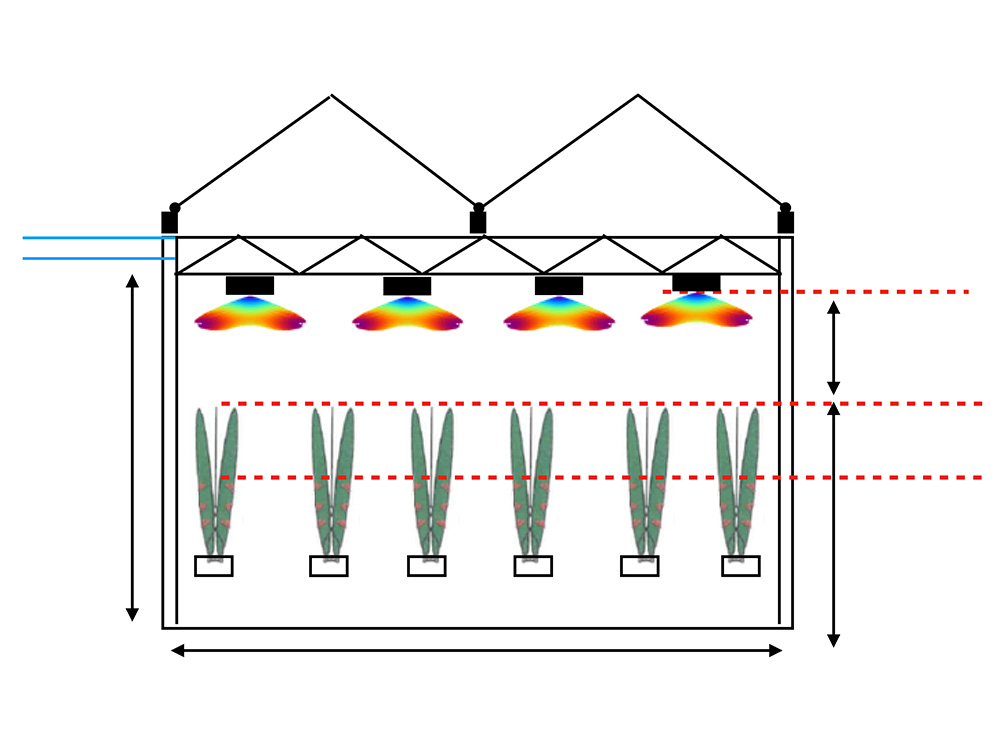
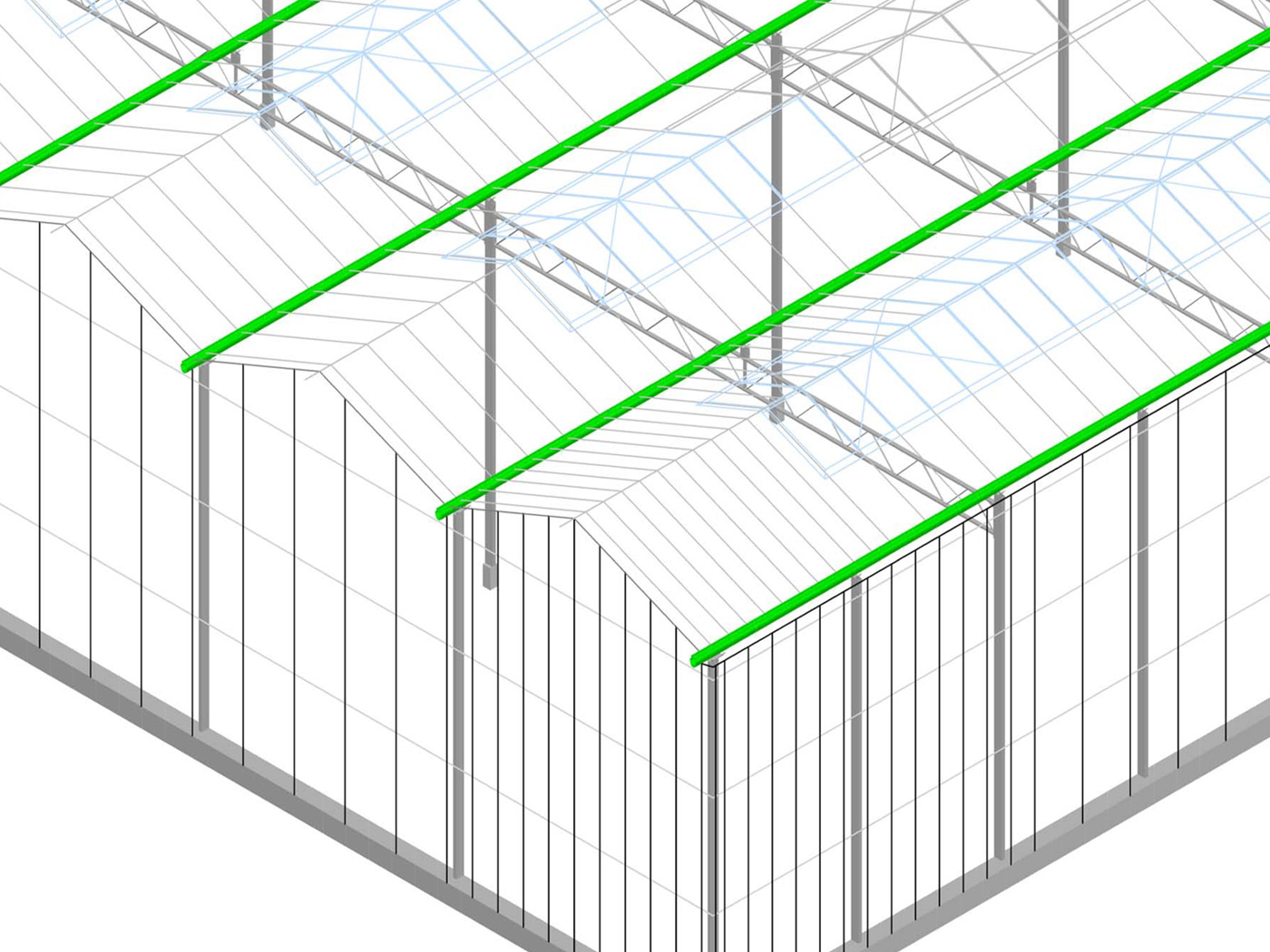
Model the Greenhouse
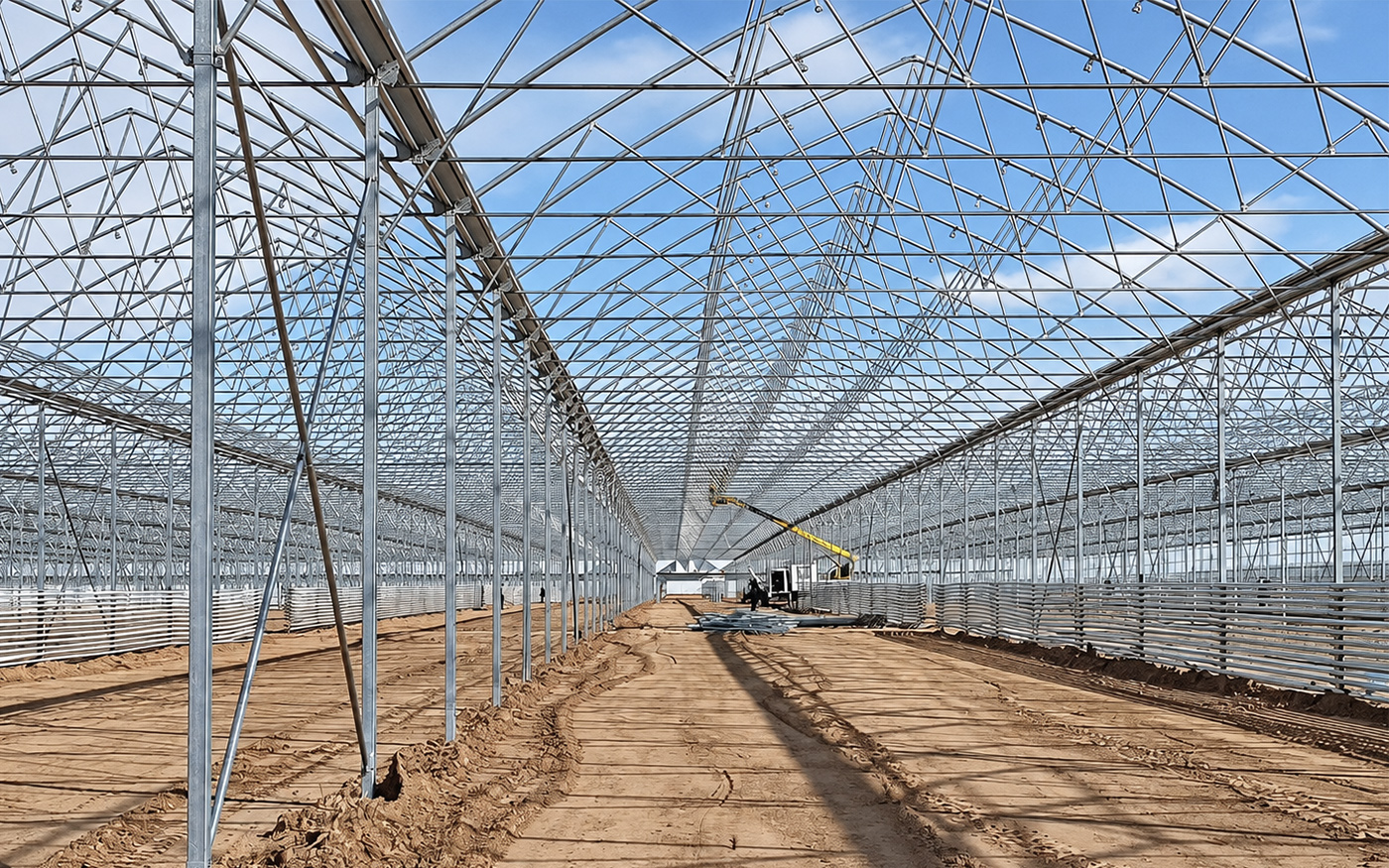
Translate dimensions, crop area and fixture positions into the project model.

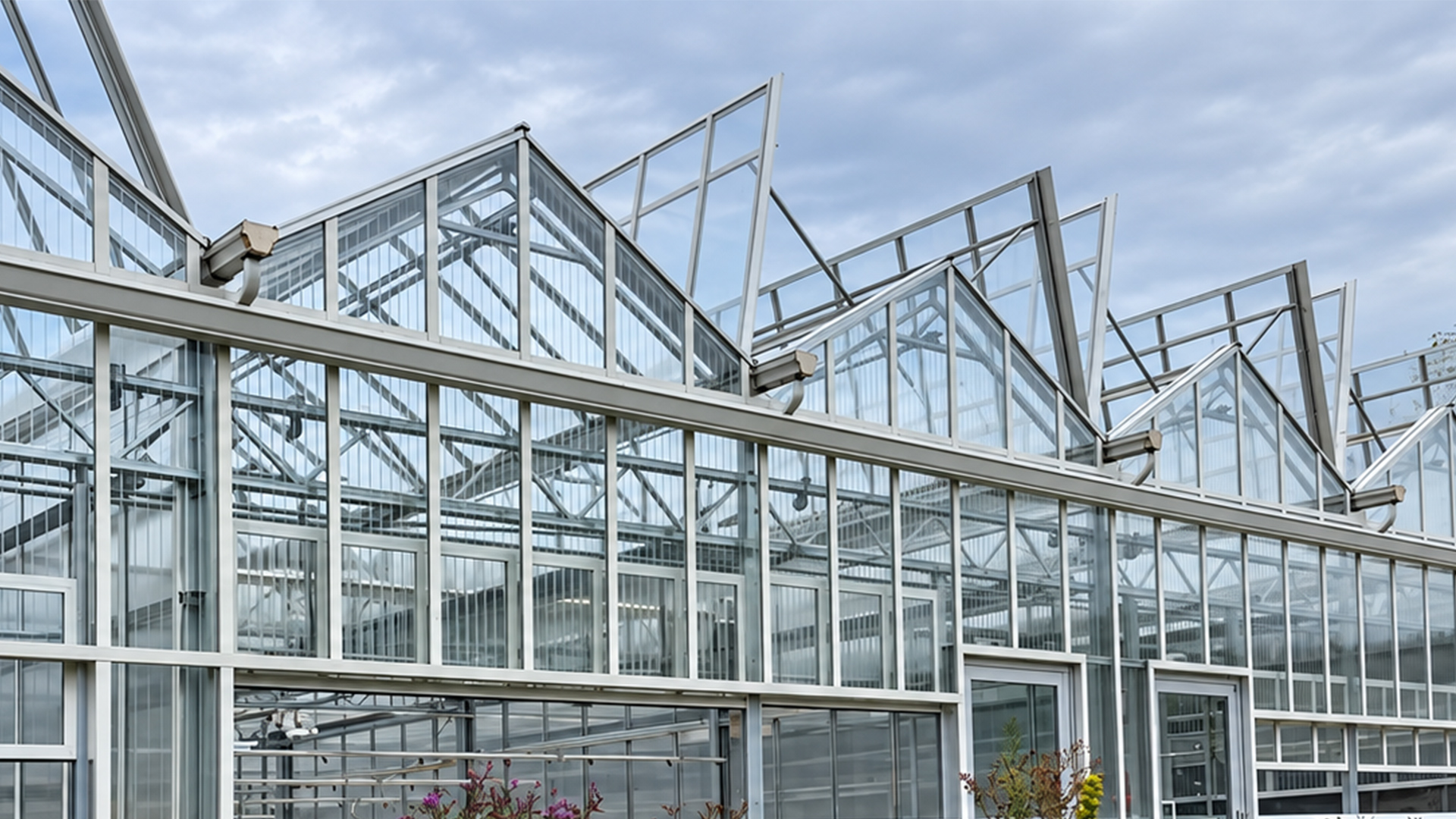
Greenhouse Lighting Solutions
HIGROWSIR plans greenhouse supplemental lighting systems around crop requirements, natural light, target PPFD, greenhouse conditions, fixture layout and project validation.
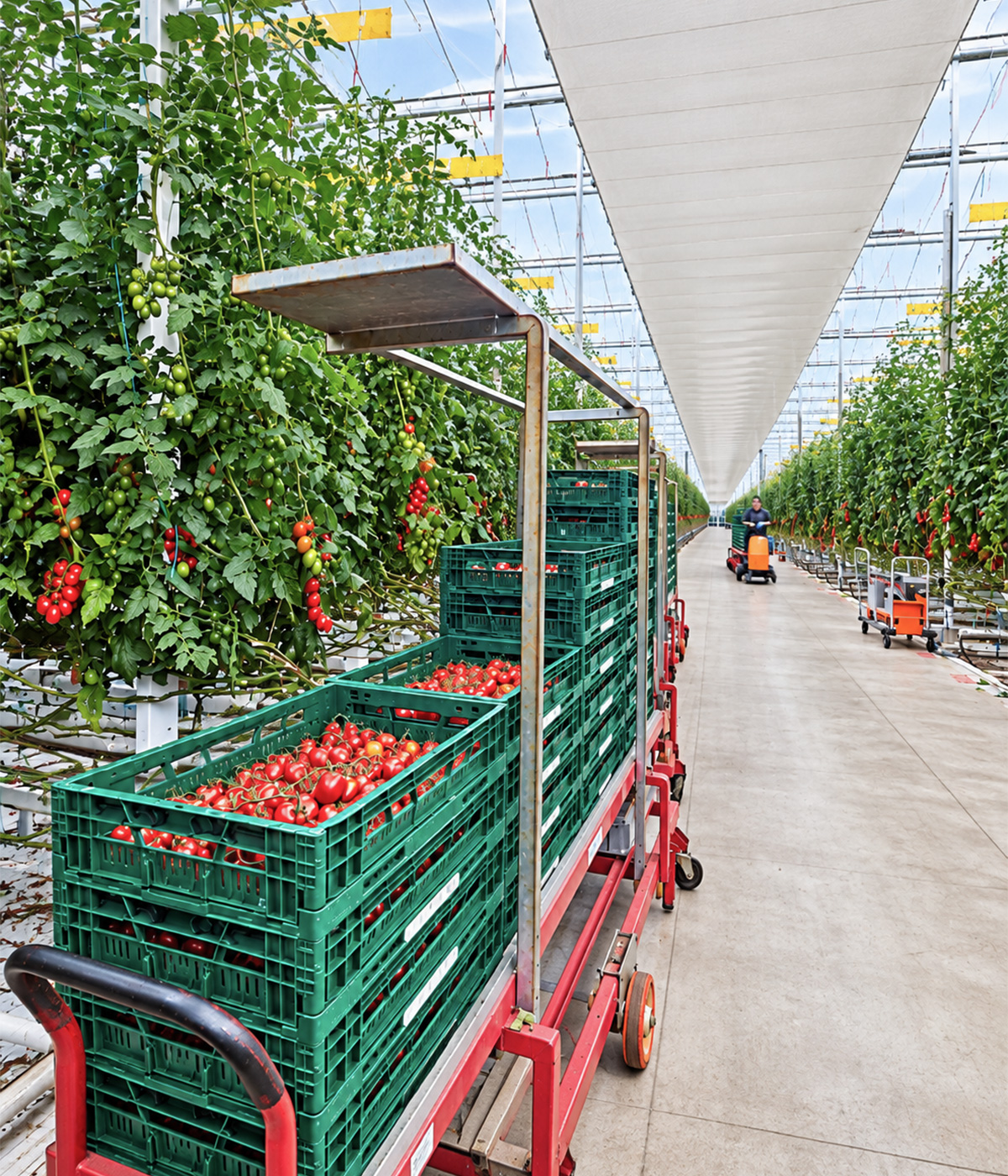
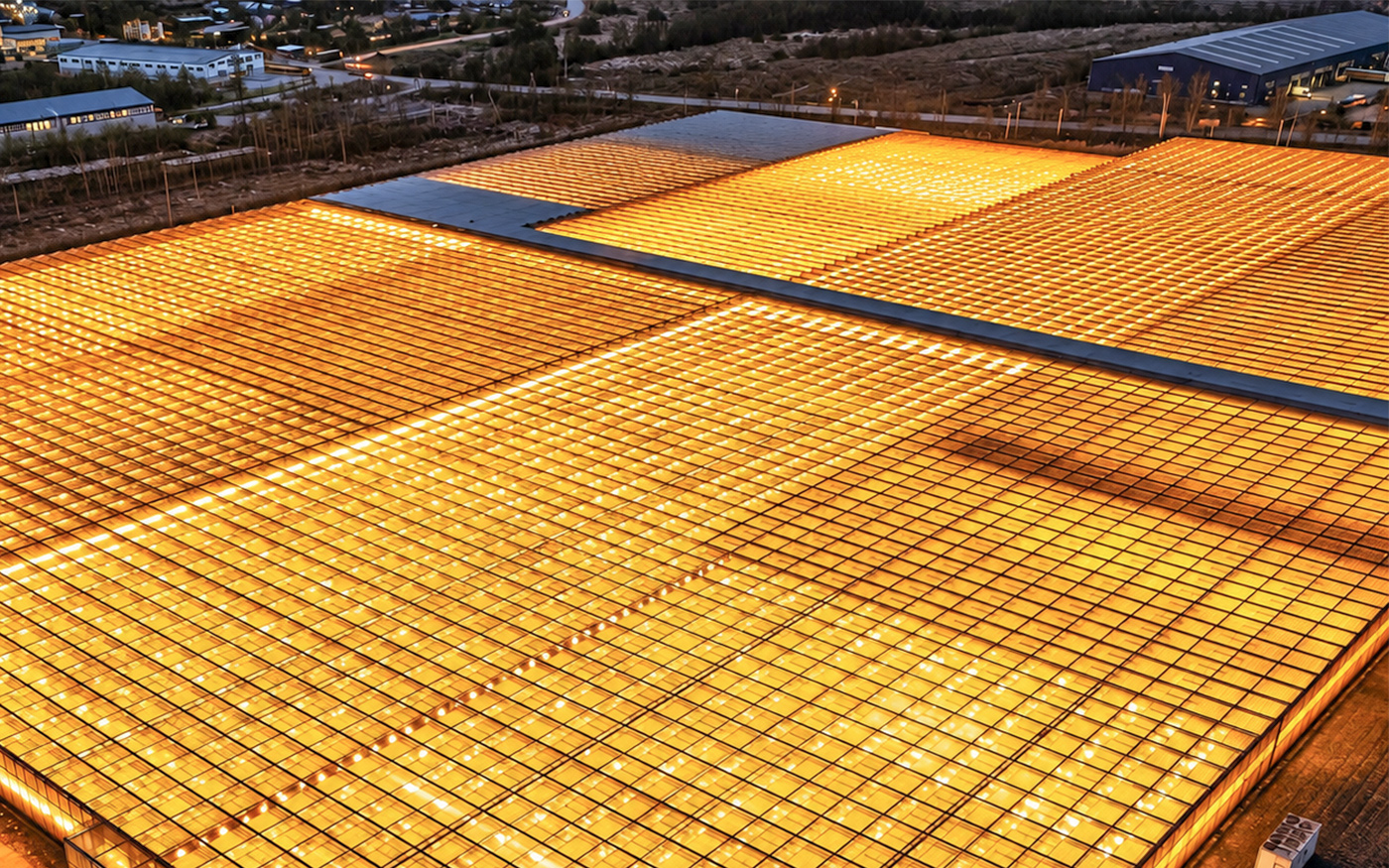
Natural light inside a greenhouse changes with season, weather, location and greenhouse transmission. When the available daylight cannot consistently support the crop target, supplemental lighting is used to fill the light gap and maintain a more predictable growing environment.
The lighting requirement therefore begins with the crop and the available daylight, not with a fixture wattage.
A greenhouse lighting project should first define the light environment required at crop level. Target PPFD, daily light integral, photoperiod and available daylight provide the basis for deciding how much supplemental light the greenhouse needs.
Fixture power alone cannot answer that question. The same fixture can produce very different crop-level results when mounting height, spacing, optics and greenhouse geometry change.
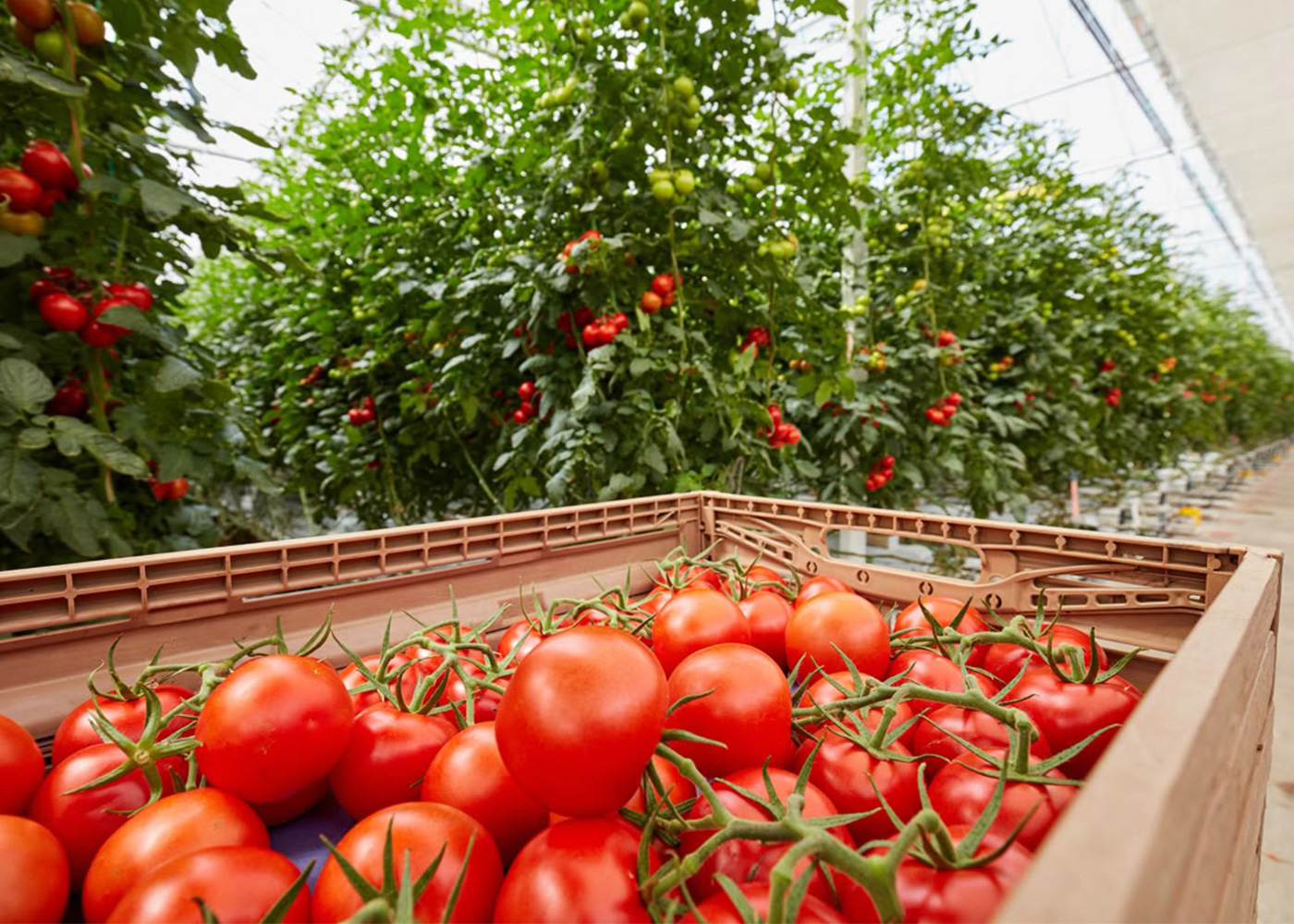
A supplemental lighting system has to fit the greenhouse geometry and project conditions. Mounting height, bay width, crop rows, structural obstructions, available power and optical distribution all affect how light reaches the crop.
This is why fixture selection, quantity and layout should be considered as one greenhouse lighting system rather than as separate purchasing decisions.
Lighting Engineering
Once the lighting target and greenhouse conditions are defined, the project moves into fixture layout. Fixture PPF, mounting height, beam distribution and spacing are evaluated together to determine the quantity and arrangement required for the target crop area.
The result is not only an average light level. The layout also needs to be checked for PPFD distribution and lighting uniformity across the growing area.
See how we plan fixture quantity, spacing and light uniformityTranslate dimensions, crop area and fixture positions into the project model.
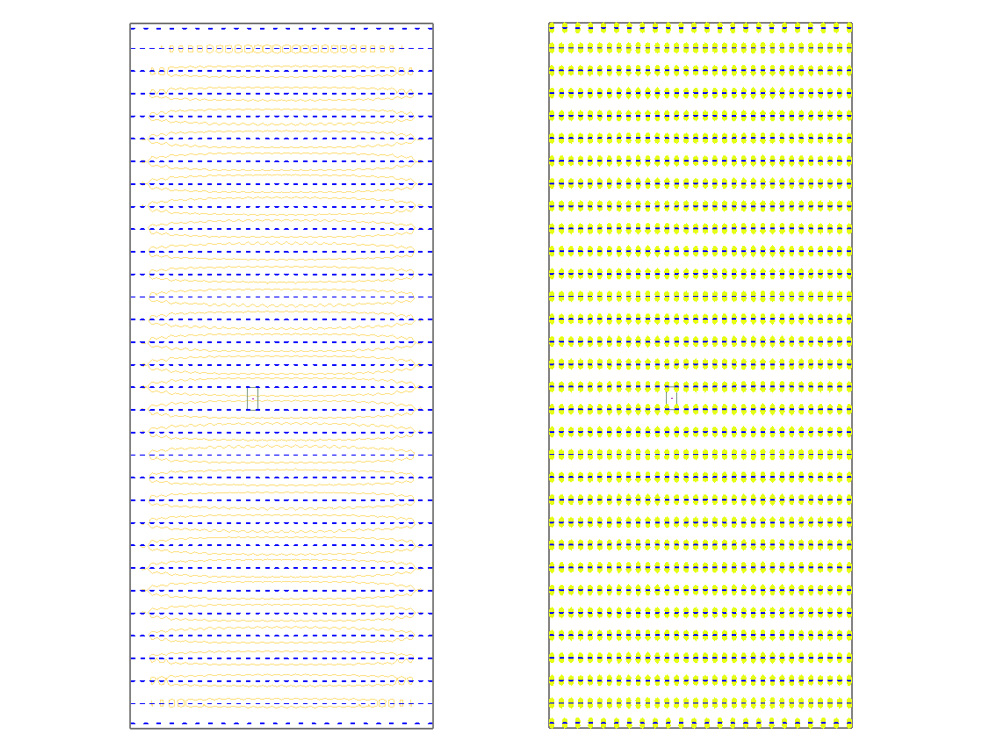
Evaluate fixture PPF, mounting height, beam distribution and available positions together.
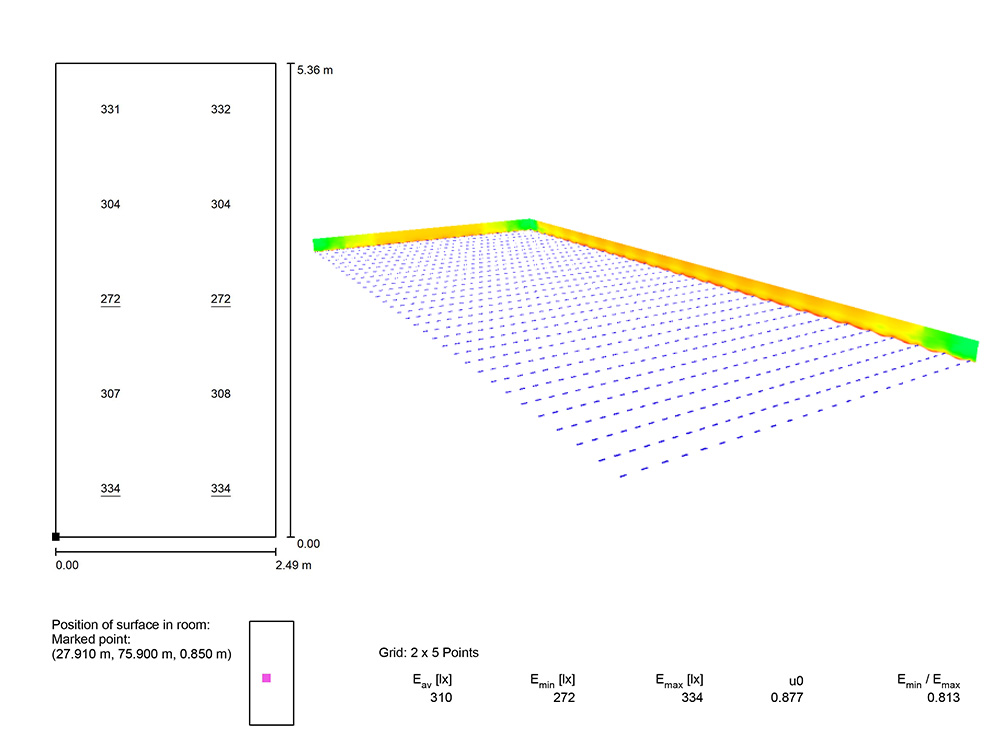
Review average crop-level light and uniformity before the fixture schedule is finalized.
The fixture is one part of the greenhouse LED lighting system. After the layout is defined, fixture output, optics, spectrum, dimming strategy, controls and electrical integration need to work together as one project.
HIGROWSIR supports greenhouse projects from fixture configuration and optical selection through control integration and production delivery.
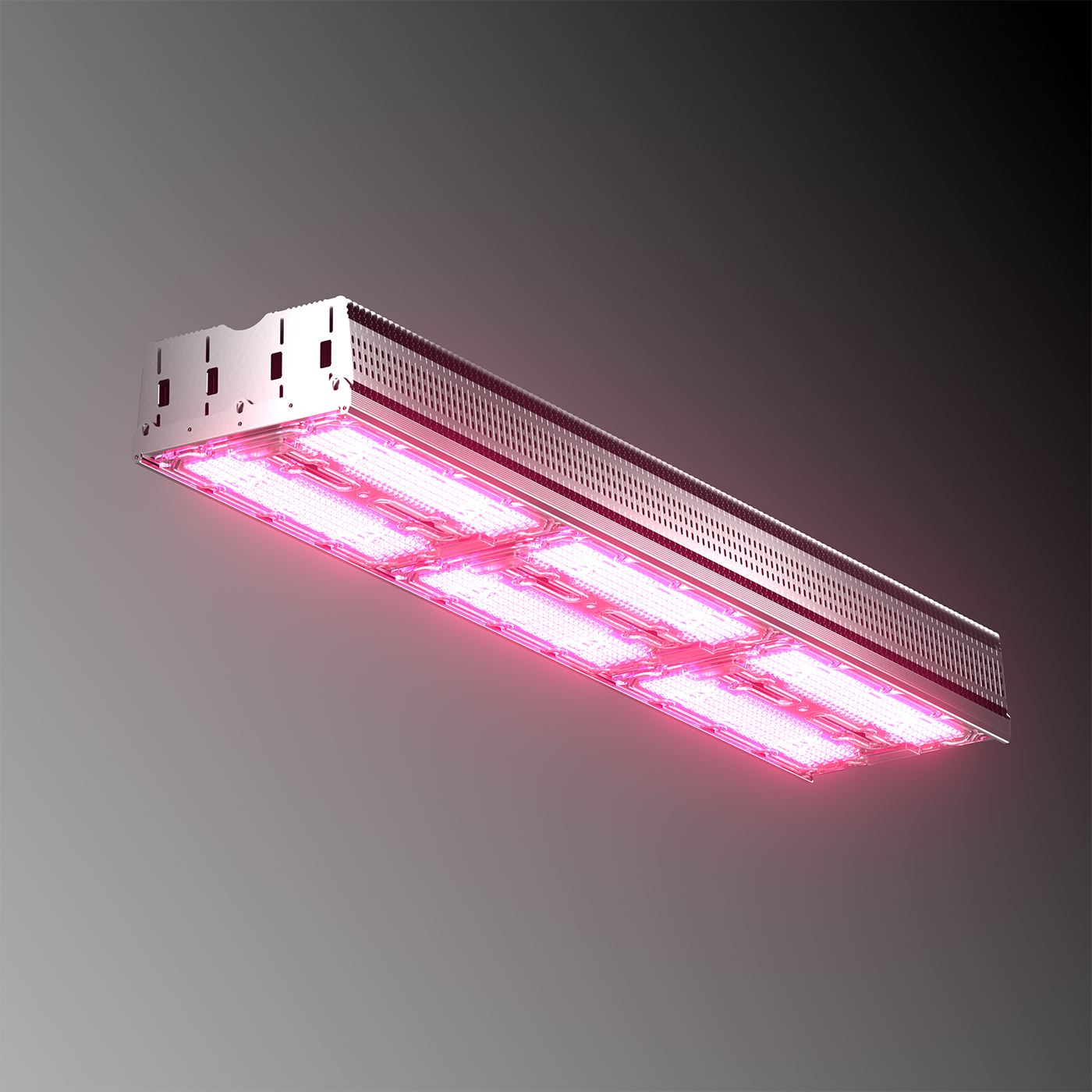
New greenhouse projects allow the lighting layout, electrical system and controls to be planned together from the beginning. Retrofit projects start with a different set of constraints, including existing HPS positions, wiring, hanging points and greenhouse structure.
In both cases, the goal is the same: build a lighting system around the crop target and the actual greenhouse, not simply replace wattage one-for-one.
Project Evidence
A lighting plan only matters if it can be translated into a real greenhouse project. HIGROWSIR combines project inputs, fixture configuration and lighting analysis before production and delivery.
Real project documentation, such as greenhouse layouts, PPFD maps and fixture schedules, provides a clearer basis for decisions than fixture specifications alone.
View a commercial tomato greenhouse lighting project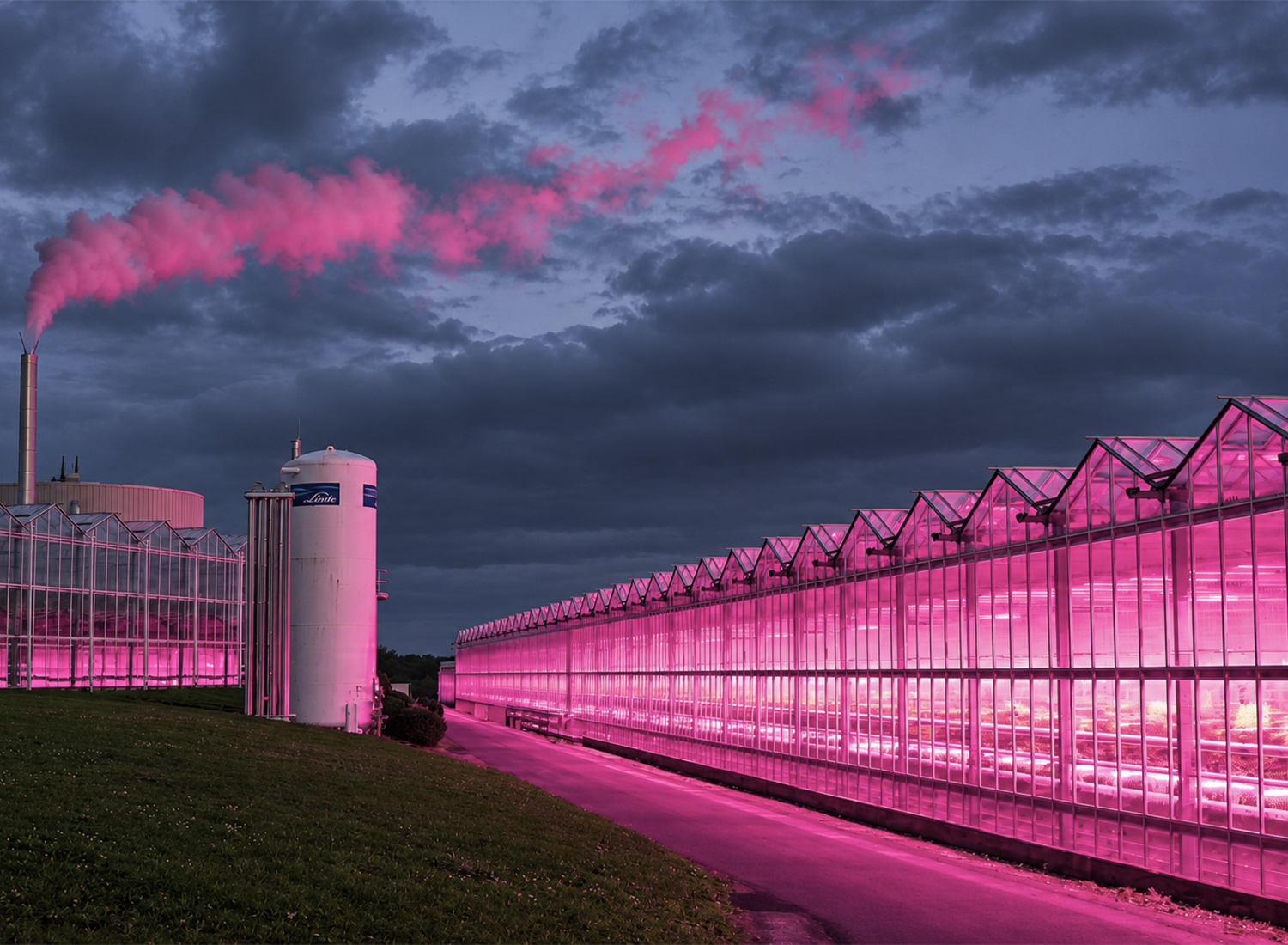
Send us your crop, greenhouse drawing or dimensions, mounting height and target PPFD. Our team can use these project conditions to recommend the fixture configuration and lighting layout for your greenhouse.

Copyright © 2026 HIGROWSIR LTD All rights reserved. Site Map Powered by 