Welcome: HIGROWSIR

{ Technical Focus }
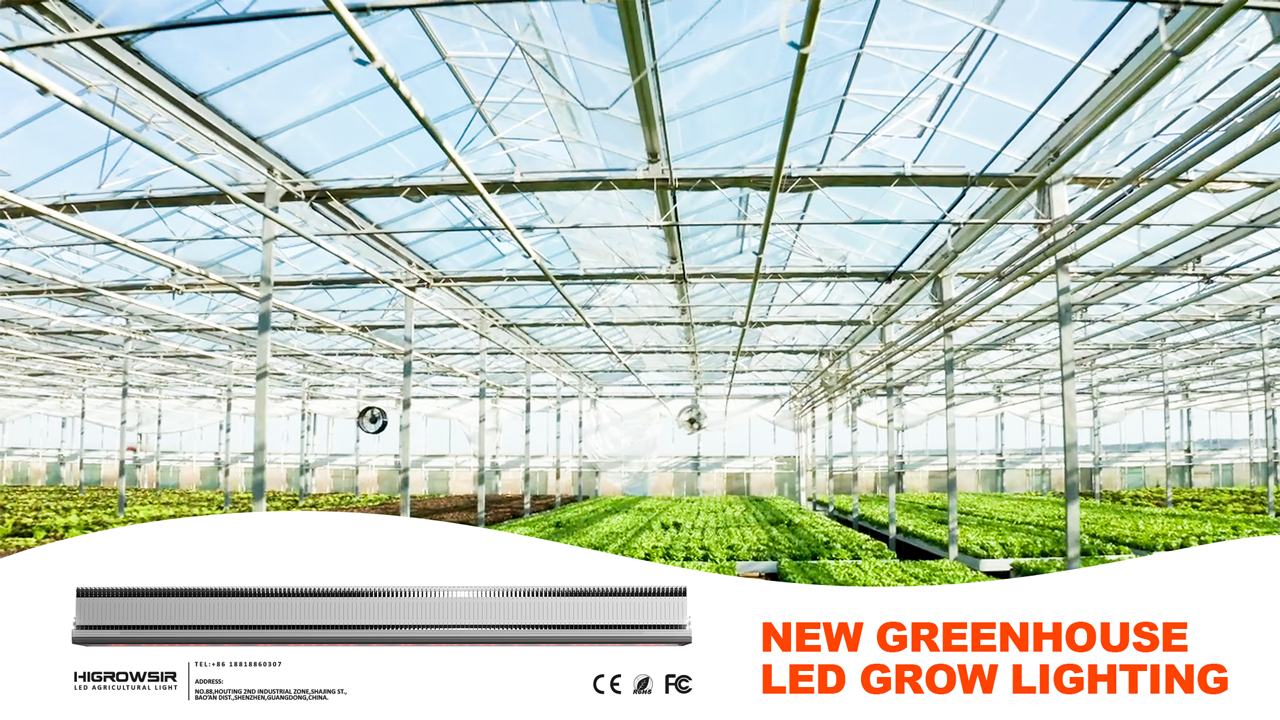
Optical-grade plastics commonly used in traditional luminaires, such as polycarbonate (PC) and polymethyl methacrylate (PMMA), typically exhibit an initial light transmittance of approximately 92%. However, under the long-term working conditions of greenhouse rooftops—characterized by sustained high temperatures (often reaching 60–80°C) and intense blue/ultraviolet radiation—polymeric materials undergo irreversible photothermal aging. This manifests as yellowing and clouding over time, accompanied by a continuous decline in light transmittance. As a result, the actual effective light output of the luminaires decreases year by year. This means that even if the LEDs themselves have very low lumen depreciation, the effective system efficacy is progressively reduced in an "invisible" manner. To maintain the same supplemental lighting intensity, energy costs will therefore rise imperceptibly.
As an inorganic material, glass possesses a highly inert molecular structure within the operating temperature range of luminaires, preventing yellowing due to heat or light exposure. This enables glass lenses to maintain their initial light transmittance of over 98% throughout the entire product lifecycle (typically 50,000 to 100,000 hours). This acts as a "permanent lock" for luminous efficacy, ensuring that the light output attenuation curve over the luminaire's full lifespan is almost entirely determined by the luminous decay characteristics of the LED chip itself, thereby eliminating additional performance loss caused by aging of the optical system.
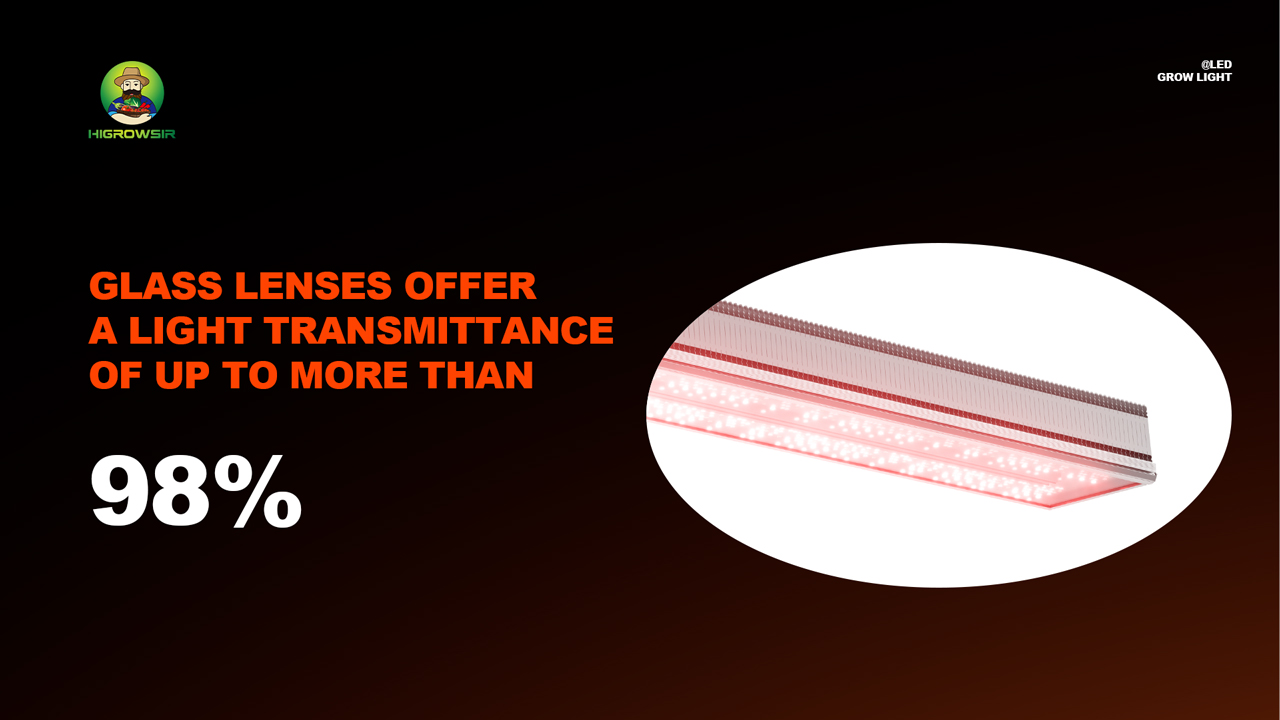
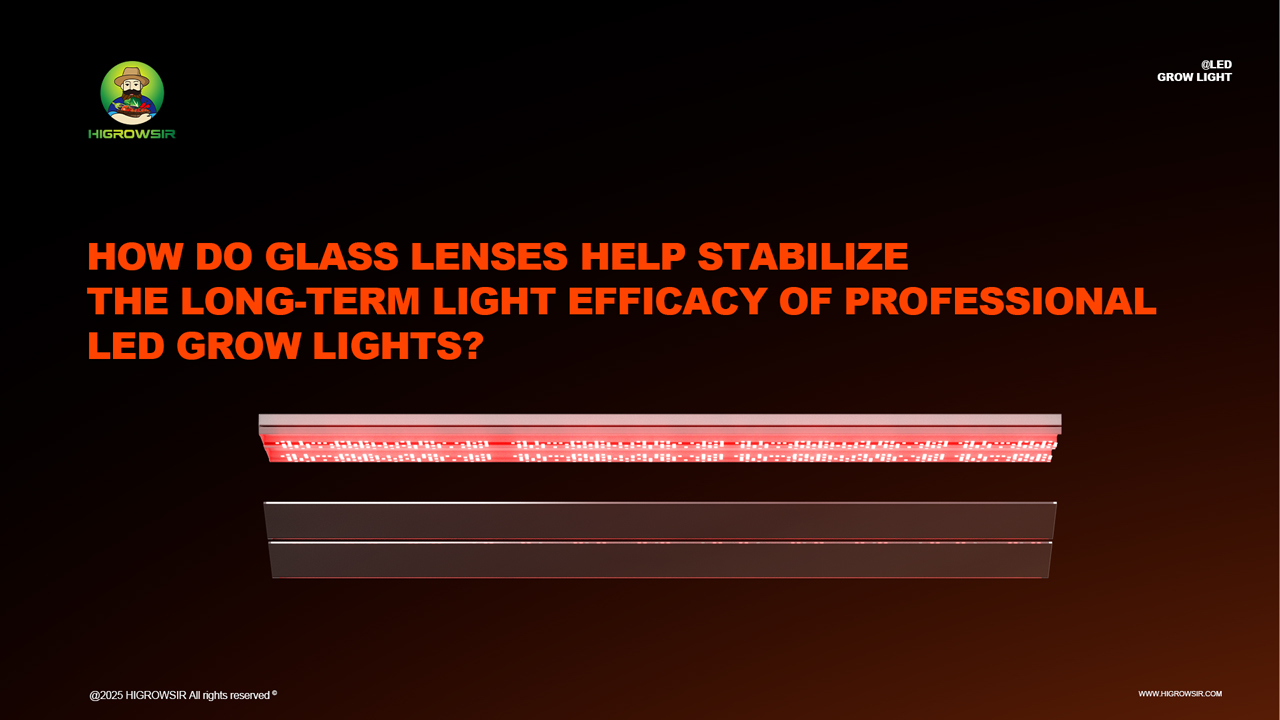
A simple comparison reveals its full lifecycle value: traditional plastic lens systems begin with an initial light transmittance of 92% and gradually degrade over time, while high-quality glass lens systems start at a higher baseline of approximately 98% and maintain this high-performance level consistently in the long term. This initial advantage of more than 6 percentage points, combined with the widening gap in performance retention throughout the entire operational period, results in a significant difference in the system’s total light output. For commercial growers seeking predictability and long-term return on investment, this translates into a more stable lighting environment for crops, more predictable energy consumption, and superior long-term investment returns.
When evaluating a plant growth light, the focus should shift from flashy initial specifications to its long-term, stable actual output capability. While optical glass lenses come at a higher cost, they are not merely an "upgrade" but rather a rational investment for long-term, large-scale professional cultivation. They address the inherent aging issues of plastic lens materials, ensuring maximum light efficiency and long-term stability, thereby transforming the value of supplemental lighting systems from "purchasing brightness" to "purchasing a guaranteed effective photon flux." For professional growers who view supplemental lighting as a core productivity tool, opting for fixtures equipped with optical glass lenses is a critical technical decision to ensure long-term production benefits and operational economic viability.

Copyright © 2026 HIGROWSIR LTD All rights reserved. Site Map Powered by